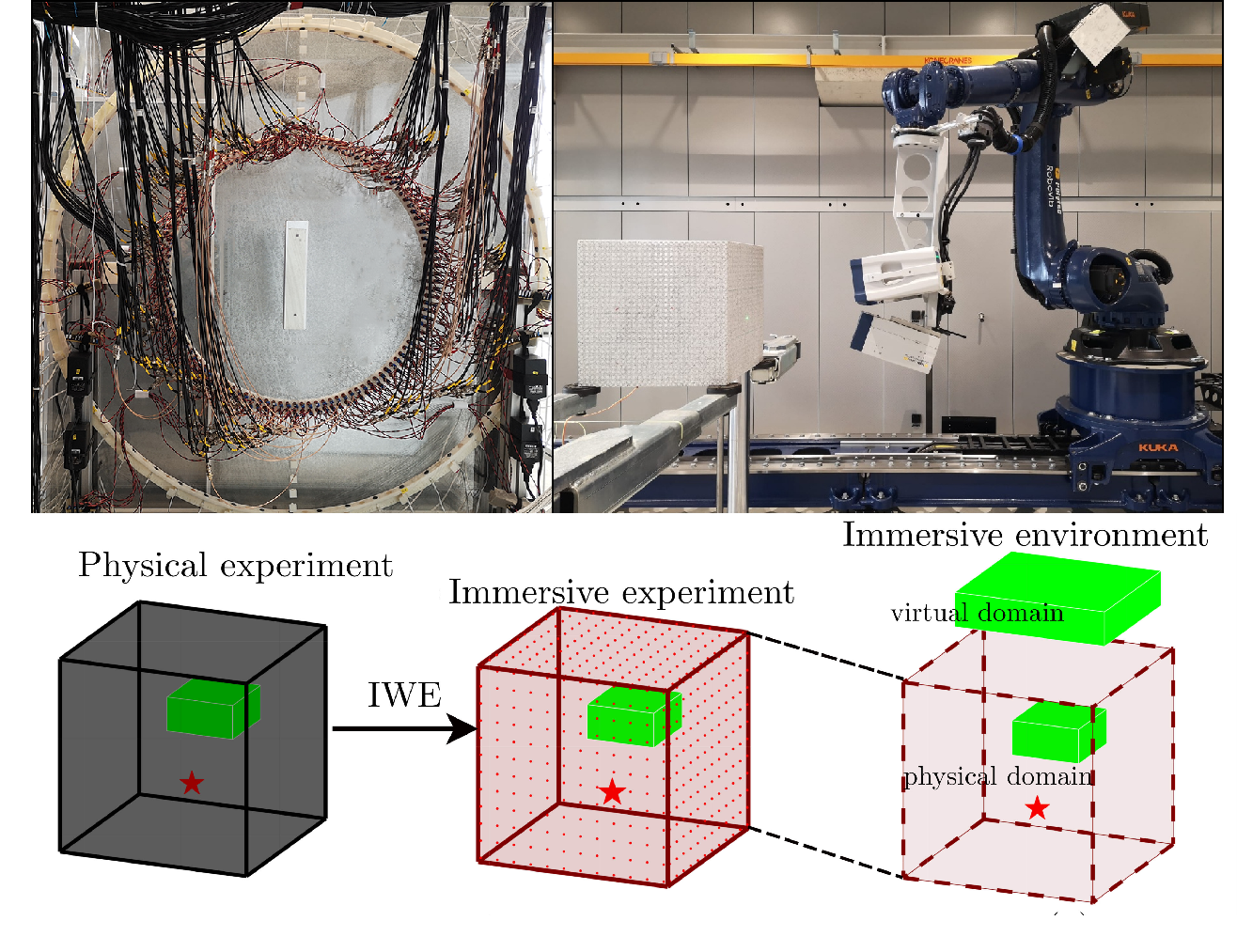
Immersive Wave Experimentation
Mixed-reality acoustics that makes a small laboratory behave as if it were open, with applications in cloaking, holography, and acoustic cloning in controlled experiments.
Read moreGeophysics | Rock physics | Wave experiments
I am a geophysicist developing laboratory experiments, digital twins, and seismic-monitoring methods to understand how rocks deform, fracture, and fail. My vision is to turn wave physics into practical tools for safer geothermal energy, subsurface engineering, and the net-zero transition.
I am a geophysicist and postdoctoral researcher at the University of Edinburgh. My work focuses on laboratory seismic and acoustic experiments that reveal how rocks deform, fracture, fail, and recover in geothermal and other subsurface-energy systems.
I am especially interested in the tools that make experiments interpretable: real-time monitoring, acoustic-emission detection, coda-wave analysis, numerical modelling, and data systems that can keep up with large laboratory and field-style data sets.
Mixed-reality acoustics that makes a small laboratory behave as if it were open, with applications in cloaking, holography, and acoustic cloning in controlled experiments.
Read more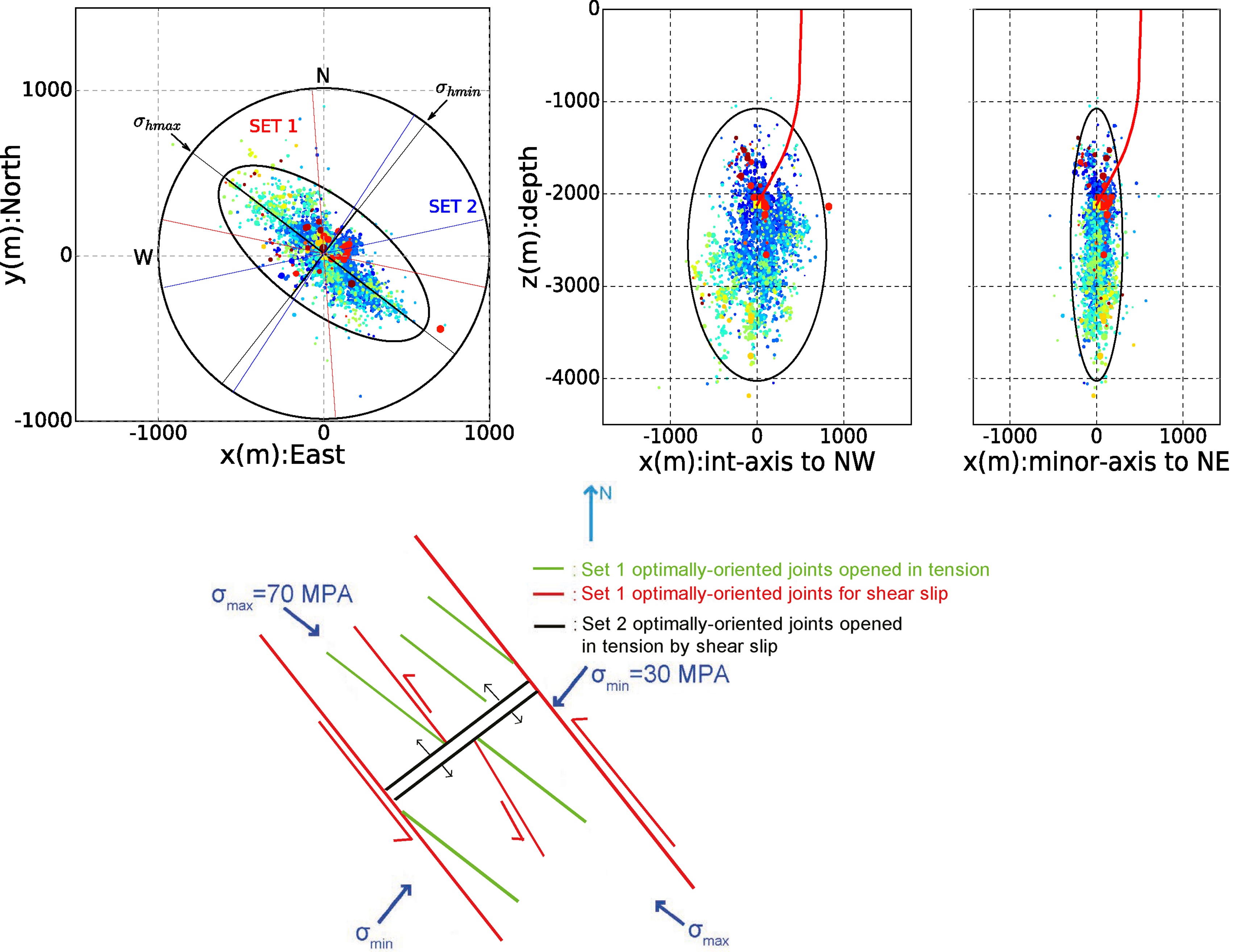
Analysis of more than 5,000 microearthquakes at the Rosemanowes geothermal test site, with a focus on pressure diffusion, fracture networks, and aseismic deformation.
Read more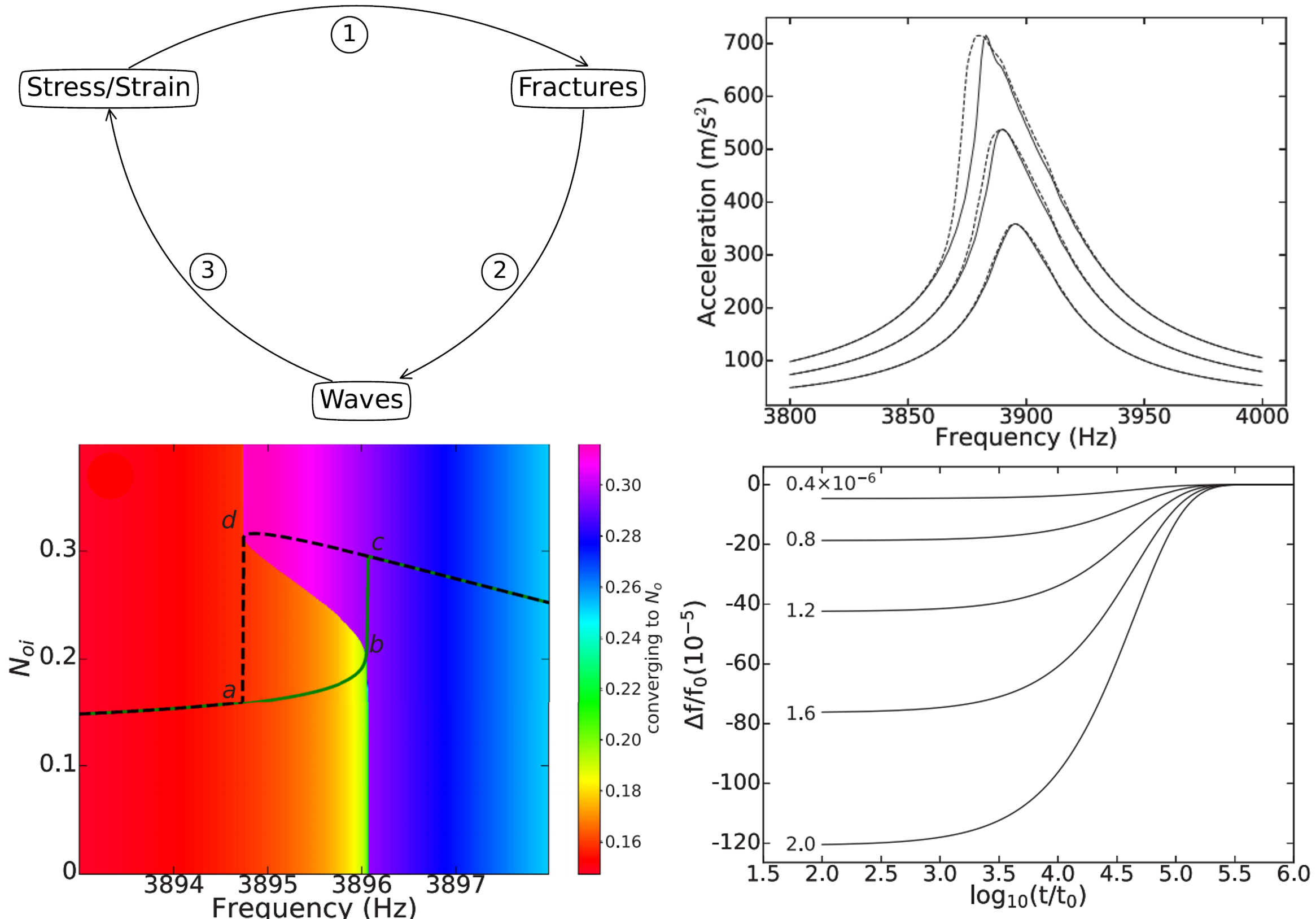
Laboratory resonance experiments and contact-based modelling of nonlinear elasticity, slow dynamics, hysteresis, and recovery in granular rocks.
Read more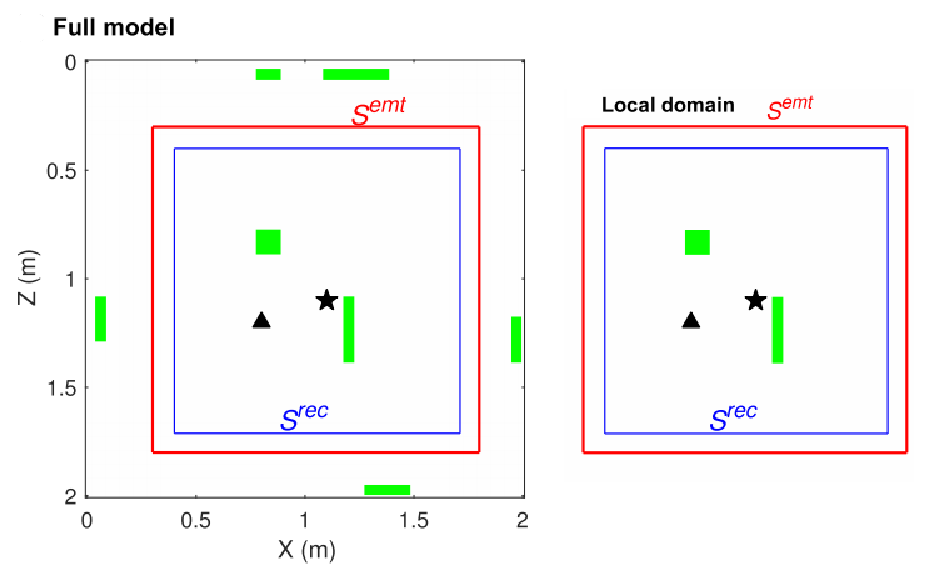
Local-domain wave simulation methods that preserve the influence of the surrounding model without recomputing the full wavefield every time.
Read more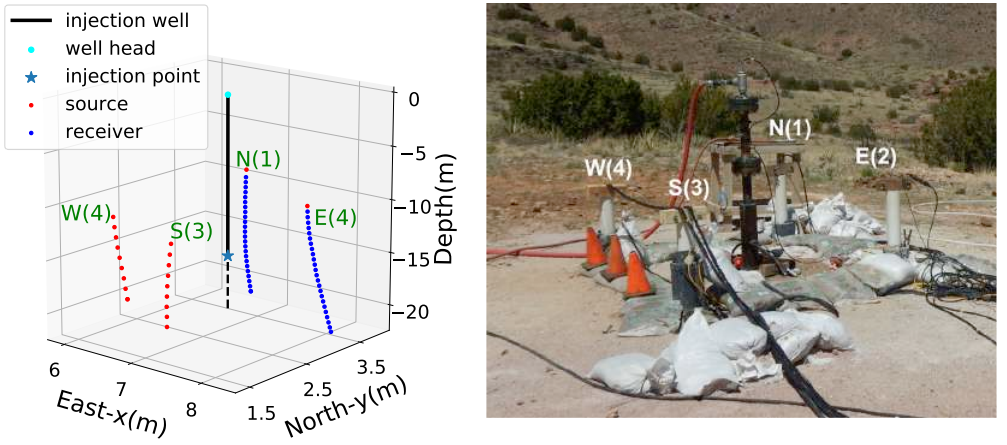
Active-source seismic monitoring and coda-wave interferometry for tracking fracture opening, stiffness change, and recovery after injection.
Read moreCodaWaveSolver is a Python-C++ solver for estimating phase shifts with the stretching technique in repeated active-source experiments and ambient-noise studies.
ContinuousLabAE is a Python workflow for recovering active ultrasonic signals and detecting passive acoustic emissions in continuous laboratory seismic data, using template matching, amplitude thresholds, and fine-tuned PhaseNet and EQTransformer models.
For collaborations in laboratory rock physics, seismic monitoring, wavefield modelling, induced seismicity, or experimental software, please get in touch.
Email lixunjack@gmail.com or connect through LinkedIn.
AI assistance (Codex now ChatGPT, with API access supported through ELM) was used to summarise, organise, and edit website content. This website is in beta and may contain errors or outdated information.